Moving Past the Past with EMDR Therapy
Have you ever felt like a painful event from your past is still controlling your present?
Maybe you know intellectually that you are safe now, but your body didn't get the memo. When reminded of that old event, your heart still races, your stomach drops, or you feel the exact same panic or sadness you felt back then.
If this sounds familiar, it means that memory is "stuck."
When something traumatic or deeply distressing happens, our brains sometimes struggle to process the information normally. Instead of being filed away as a finished memory in the past, that experience gets frozen in time in our nervous system—along with all the original sights, sounds, and intense feelings.
This is where EMDR therapy comes in.
Six Subtle Signs of Progress in Therapy
When we start therapy, we often expect progress to look like a dramatic, cinematic breakthrough. We imagine a single, tearful session where everything suddenly clicks, the clouds part, and we walk out forever changed.
While those big moments can happen, real, sustainable healing is usually much quieter. It’s less about a sudden transformation and more about a slow, steady accumulation of small shifts in how you relate to yourself and the world.
These quiet victories are easy to miss if you’re only looking for fireworks. Yet, they are the truest indicators that the hard work you are doing is sinking in and creating lasting change in your brain and body.
Why Do I Feel So Conflicted? A Beginner’s Guide to Internal Family Systems (IFS) Therapy
What if the parts of yourself you fight against the hardest- your anxiety, your inner critic, or your procrastination- aren't actually enemies? Internal Family Systems (IFS) is a revolutionary therapy approach based on the idea that every single part of you has a good intention.
Slow Down to Heal Faster
Why We Build a Safety Net Before We Dive Deep in Therapy
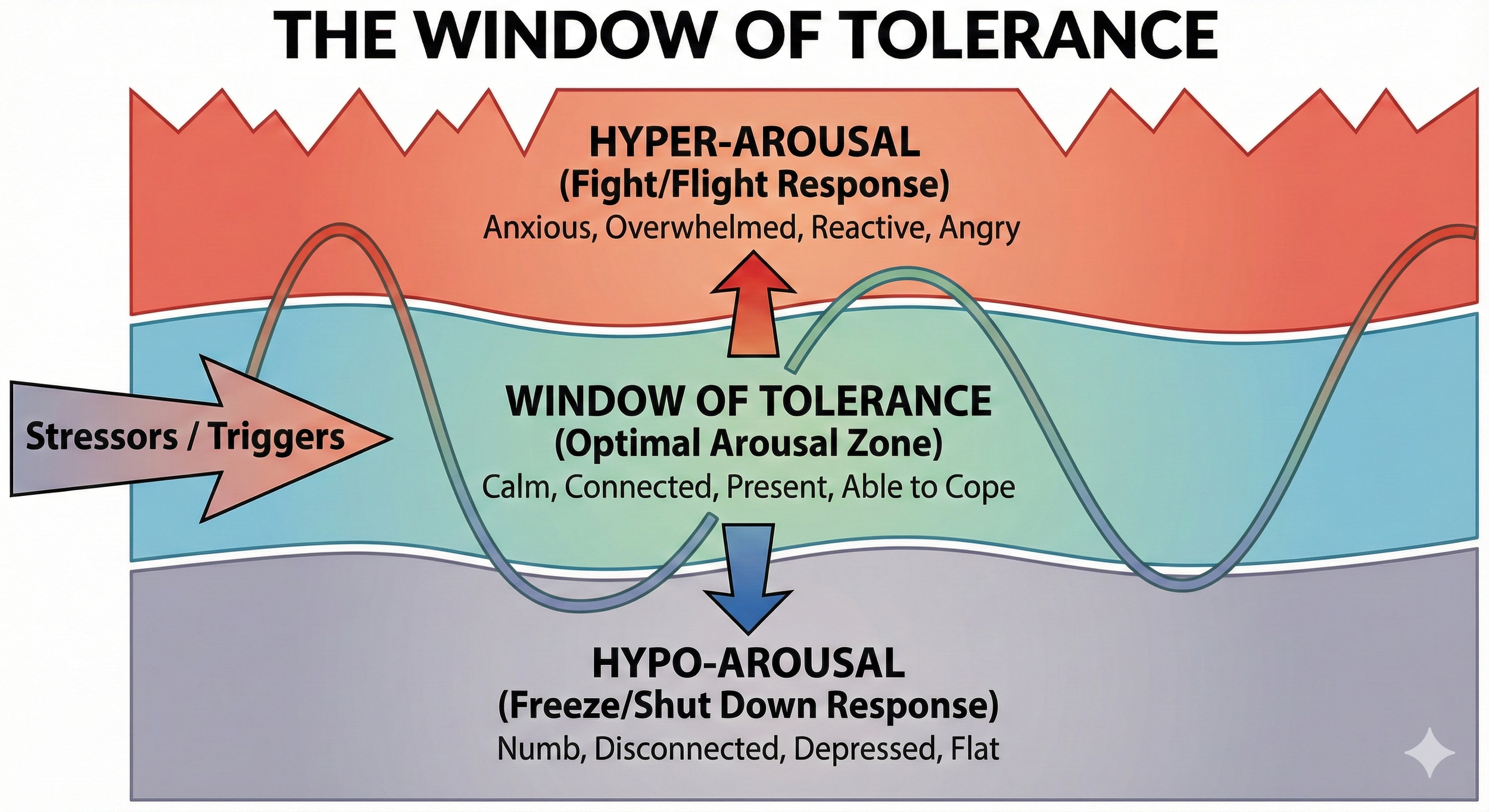
To understand why coping skills come first, we have to talk about your nervous system.
Think of your nervous system like the operating system of your body. Its main job is to keep you alive. When it senses safety, you are able to think clearly, connect with others, and process emotions. Therapists call this being within your "Window of Tolerance."
When you step outside that window, when things get too stressful or triggering, your brain’s survival alarm goes off. Your "thinking brain" (the prefrontal cortex) goes offline, and your "survival brain" takes over.